Description
Curriculum
Instructor
Reviews
Course Description
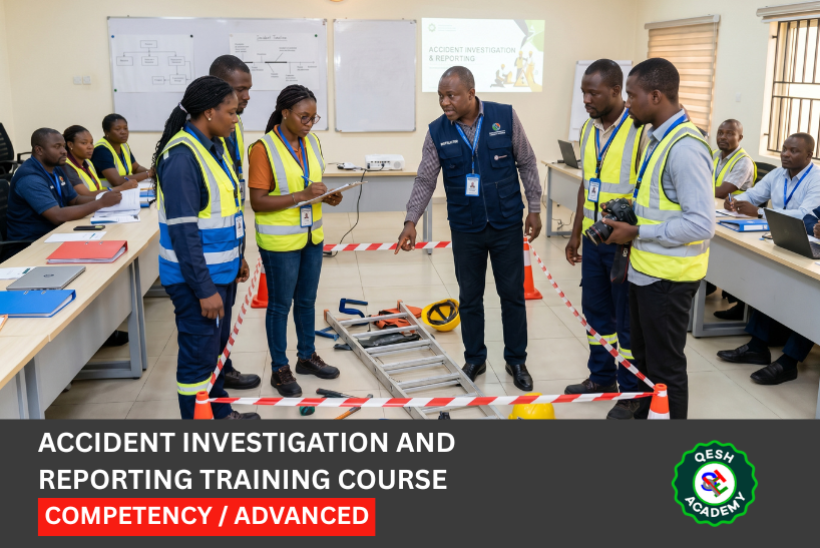
The Accident Investigation and Reporting Training Course is designed to provide participants with the knowledge and practical skills required to effectively investigate workplace incidents, determine root causes, document findings, and implement corrective actions to prevent recurrence. The course emphasizes a systematic and objective approach to incident investigation, enabling organizations to learn from accidents, near misses, and unsafe events while strengthening their overall health, safety, and operational performance.
Key Learning Outcomes
By the end of this course, participants will be able to:
- Understand the objectives and importance of accident investigation and reporting.
- Differentiate between incidents, accidents, near misses, and unsafe conditions.
- Apply a structured and systematic approach to incident investigations.
- Secure incident scenes and collect relevant evidence effectively.
- Conduct witness interviews and gather factual information professionally.
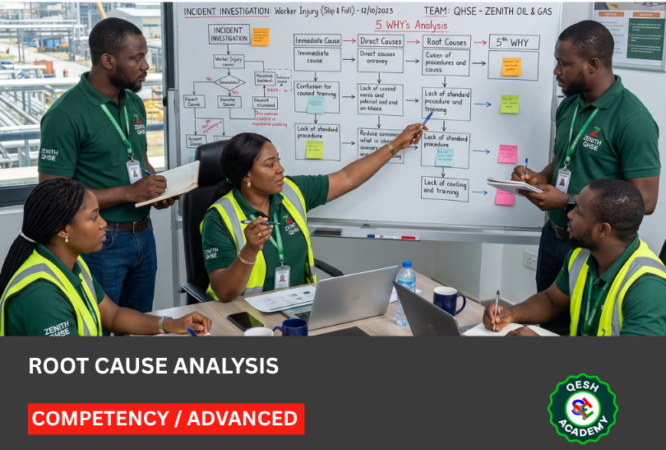
- Utilize root cause analysis techniques to identify underlying causes of incidents.
- Analyze contributing factors related to people, equipment, processes, and management systems.
- Develop effective corrective and preventive actions to prevent recurrence.
- Prepare clear, accurate, and comprehensive investigation reports.
- Support legal compliance, organizational learning, and continual improvement initiatives.
Register Your Interest
Interested in Accident Investigation and Reporting? Fill out your details below and our team will get in touch.